4
Jun
Falling in Love with Nepal: A Backpacker’s Guide to Kathmandu and Pokhara
Planning an excursion that offers both profound social legacy and crude, radiant nature can feel overpowering. Numerous travelers battle to adjust a tight schedule, stressing around lost covered up spots or misusing complex calculated subtle elements in a remote destination. Relying on an expert Nepal Tour Guide can help you effortlessly avoid these common travel headaches.
If you are imagining an eluded where old history meets staggering common scenes, Nepal is your reply. Settled in the heart of the Himalayas, this South Asian diamond gives an ideal mix of noteworthy engineering, otherworldly withdrawals, and exciting open air adventures.
This comprehensive Nepal travel guide covers everything you require to know around exploring its two essential visitor goals: Kathmandu and Pokhara. Find how to arrange a consistent, enhancing Bangladesh to Nepal trip without the ordinary travel stress.
Kathmandu: A Living Exhibition hall of Convention and Culture
For anybody utilizing a Nepal Visit Direct, the travel starts in the capital city. Exploring with an experienced Nepal Tour Guide guarantees you do not miss any deep history or cultural secrets hidden within the city walls. Kathmandu is a tangible blast of old wood carvings, fragrant road markets, and towering stone pagodas. More than a basic travel point, this dynamic city is home to mind-blowing UNESCO World Legacy Locales that grandstand eras of Newari craftsmanship.
1. Pashupatinath Temple
As an essential column of Nepal tourism, Pashupatinath Sanctuary stands on the banks of the sacrosanct Bagmati River. Devoted to Master Shiva, this broad sanctuary complex serves as a significant otherworldly center drawing holy people and lovers from over South Asia. Guests can witness conventional ceremonies from the western riverbanks, taking in the brilliant rooftops and centuries-old stone structures.
2. Swayambhunath Stupa (The Monkey Temple)
Perched on a forested peak to the west of the city, coming to Swayambhunath requires climbing an old flight of 365 stone steps. The climb is kept energetic by the expansive populace of lively sacred monkeys guarding the premises. At the summit, the notorious, painted eyes of the Buddha ignore the whole sprawling valley, advertising all enigmatic views that are marvelous at sunset.
3. Boudhanath Stupa
Boudhanath is one of the biggest circular stupas in the world and serves as the center of Tibetan culture inside Kathmandu. The enormous white arch and brilliant tower make a fantastic point of interest. Going by in the late evening permits you to take part in karate hone of strolling clockwise around the monument—alongside hundreds of nearby friars turning supplication wheels.
4. Kopan Monastery
Tucked absently on a quiet slope north of the city center, Kopan Religious community is a peaceful asylum where travelers can learn around Tibetan Buddhist contemplation. It offers a calm retreat from the urban haste underneath, complete with manicured gardens, dazzling engineering, and a serene atmosphere.
5. Kathmandu Durbar Square, Patan, and Bhaktapur
These three noteworthy illustrious squares speak to the apex of antiquated Nepalese engineering. All square highlights perplexing 12th-century woodwork, multi-tiered pagodas, and chronicled regal royal residences. Investigating these brick-paved squares feels like venturing straightforwardly into a living gallery of worldwide heritage.
Pokhara: A Showstopper of Characteristic Splendor
If Kathmandu speaks to the social pulse of the country, Pokhara is without a doubt its common soul. Found west of the Kathmandu Valley, this quiet city sits in the shadow of the marvelous Annapurna mountain range, making it a favorite goal for unwinding and enterprise alike. Hiring an authorized Nepal Tour Guide during your stay in this region makes finding hidden lakeside spots safe and stress-free.
1. Phewa Lake and Tal Barahi Temple
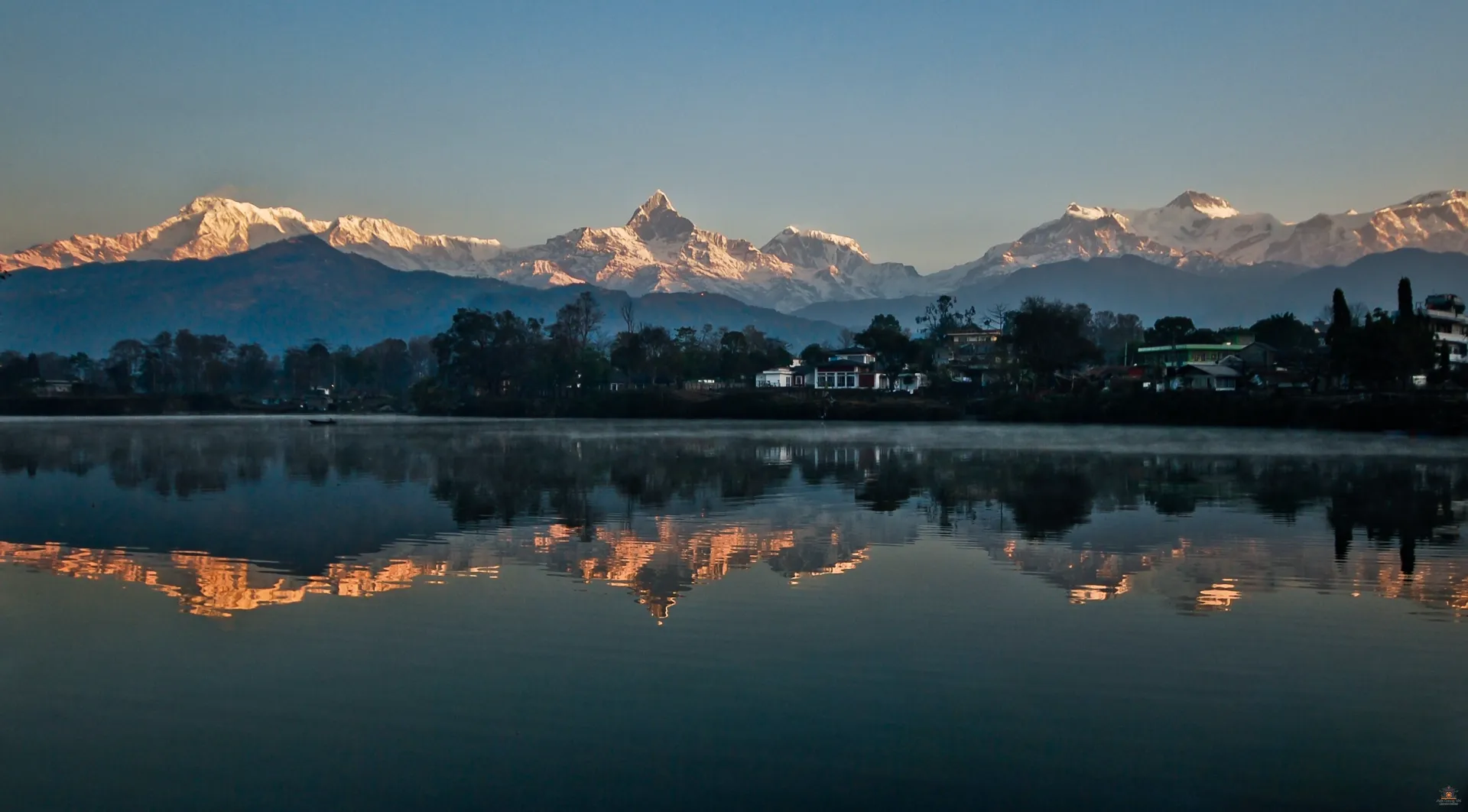
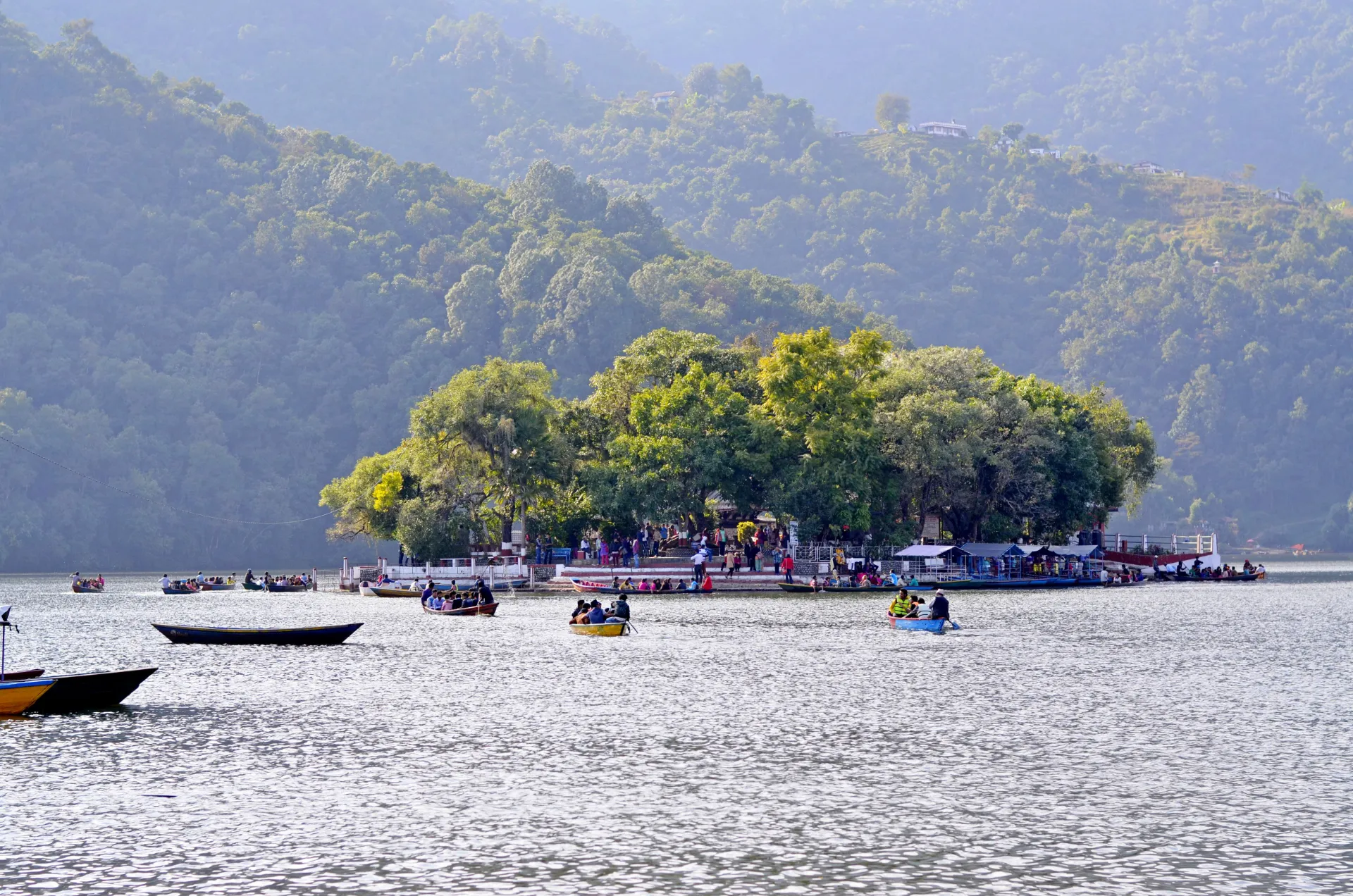
Phewa Lake is the central point of Pokhara. Its calm waters flawlessly reflect the snow-capped top of Mount Machhapuchhre (Fishtail Mountain). Leasing a colorful wooden vessel permits you to float over the water to visit Tal Barahi Sanctuary, a wonderful two-story pagoda found on a little island in the center of the lake.
2. Davis Falls and Gupteshwar Mahadev Cave
Located a brief remove from the nearby airplane terminal, Davis Falls is a special waterfall where the rushing waters of Phewa Lake dive unexpectedly into a profound, underground burrow. Specifically, over the road is the entrance to Gupteshwar Mahadev Cave. Slipping the winding staircase into the clammy cavern uncovers noteworthy common shake arrangements and a sacrosanct holy place, with the thundering sound of the covered up waterfall resounding through the stone walls.
3. Jangchub Choeling Gomba
Situated inside the nearby Tibetan settlement, this dynamic religious community highlights brilliant works of art and conventional engineering. The fundamental prayer lobby houses a towering, seven-foot-tall Buddha statue coated in shining copper and gold leaf, advertising a calm space for contemplation.
4. Sarangkot Hill
Sarangkot is world-renowned for two things: its breathtaking sunrise views over the Annapurna extend and its exciting couple paragliding encounters. Observing the morning sun turn the frosty mountain crests from white to a red-hot gold is an extraordinary highlight of any trip.
Mastering the Climate: Nepal Travel Planning
Understanding the neighborhood's regular designs is basic for a smooth excursion. The Nepal weather by month changes essentially depending on the time of year, affecting perception, street conditions, and trekking safety.
Nepal Climate by Month
October to November (Harvest time): This is the undisputed crest season for tourism. The rainstorm downpours have completely cleared, taking off fresh mountain discuss, flawlessly clear skies, and ideal conditions for both city touring and mountain trekking.
March to April (Spring): The second-best travel window. Temperatures are warm and comfortable, and the slope timberlands come alive with brilliant, sprouting rhododendrons.
May to September (Summer/Monsoon): This period brings overwhelming precipitation and cloudy skies, which can darken mountain views and cause travel delays. In any case, the farmland gets to be unimaginably lavish and green.
December to February (Winter): Whereas the marshes stay clear and cool, temperatures in Kathmandu can drop essentially at night, and high-altitude mountain trails encounter overwhelming snowfall.
💡 Master Tip for SAARC Travelers
Travelers holding a substantial visa from a SAARC nation—including Bangladesh—are regularly qualified for a complimentary 30-day "Free Visa" on entry once per calendar year. You can check entry updates directly on the Department of Immigration of Nepal platform. Be sure to pre-fill the official online entry frame some time recently landing at Tribhuvan Universal Air terminal to bypass the long airplane terminal booth queues.
Frequently Asked Questions (FAQ)
1. What are the Nepal tourist visa requirements for Bangladeshi citizens?
To obtain a Nepal visa, Bangladeshi citizens must present a passport valid for at least 6 months beyond the entry date with at least two blank pages. Key required documentation includes a completed online pre-arrival visa form (generating a barcode confirmation), 2 recent passport-sized photographs (35×45 mm with a white background), a confirmed return flight itinerary, and valid hotel booking vouchers. While not always mandatory, travelers are advised to carry a No Objection Certificate (NOC) or professional ID card alongside accessible funds to ensure seamless clearing through immigration.
2. Is the Nepal visa free for Bangladeshi passport holders?
Yes, under SAARC regulations, Bangladeshi passport holders are eligible for a gratis (free) tourist visa for up to 30 days once per calendar year (January 1 to December 31). This fee exemption applies whether you obtain your Electronic Travel Authorization (eTA) beforehand or secure a Visa on Arrival at the airport. However, standard tourist visa fees apply if you plan to stay longer than 30 days or make a secondary visit to Nepal within the same calendar year.
3. How can I apply for a Nepal Visa on Arrival from Dhaka?
Bangladeshi nationals flying from Dhaka can easily secure a tourist Visa on Arrival at Tribhuvan International Airport (KTM) in Kathmandu or at designated land border entry points. To expedite the airport workflow, fill out the official Online Tourist Visa form through the Department of Immigration portal 1 to 2 days before departure. Print out the barcode confirmation page and present it directly to the immigration desk upon landing alongside your passport, photographs, and accommodation vouchers to receive your entry stamp.
4. What is the official Nepal tourist visa fee structure?
For travelers who do not qualify for the SAARC gratis exemption (such as those making a second yearly visit or staying beyond 30 days), the official standard Nepal tourist visa fees are structured by stay duration:
15-Day Multiple Entry Visa: USD 30
30-Day Multiple Entry Visa: USD 50
90-Day Multiple Entry Visa: USD 125
Note: Cash payments in USD are highly recommended at airport collection counters and land borders to avoid transaction processing delays.
5. Can I travel from Bangladesh to Nepal by road?
Yes, you can travel overland from Bangladesh to Nepal by crossing through India. The most common overland route takes travelers through the Changrabandha border (Bangladesh/India) to the Panitanki/Kakarbhitta border (India/Nepal). However, to successfully complete this overland trip, Bangladeshi passport holders must secure a valid Indian Transit Visa or a Multiple-Entry Indian Tourist Visa in advance to legally cross Indian territory.
6. What are the entry ticket prices for UNESCO World Heritage Sites in Kathmandu?
Ticket fees for historical landmarks across the Kathmandu Valley vary depending on nationality, with major discounts offered to SAARC and BIMSTEC citizens. Expected entry fees include:
Pashupatinath Temple: NPR 1,000 per day (Free for Indian nationals)
Boudhanath Stupa: NPR 400 for foreign nationals / NPR 100 for SAARC nationals
Swayambhunath Stupa (The Monkey Temple): NPR 200 for foreign nationals / NPR 50 for SAARC nationals
Kathmandu Durbar Square & Patan Durbar Square: NPR 1,000 for foreign nationals / NPR 250 to 500 for SAARC/BIMSTEC nationals
7. What is the maximum duration a tourist can stay in Nepal per year?
The maximum allowable stay for any foreign national traveling on a tourist visa in Nepal is 150 days per calendar year (computed from January 1 to December 31). If you initially enter on a 15-day or 30-day visa and wish to stay longer, you must apply for a tourist visa extension through the Department of Immigration offices in Kathmandu or Pokhara before your current entry stamp expires.
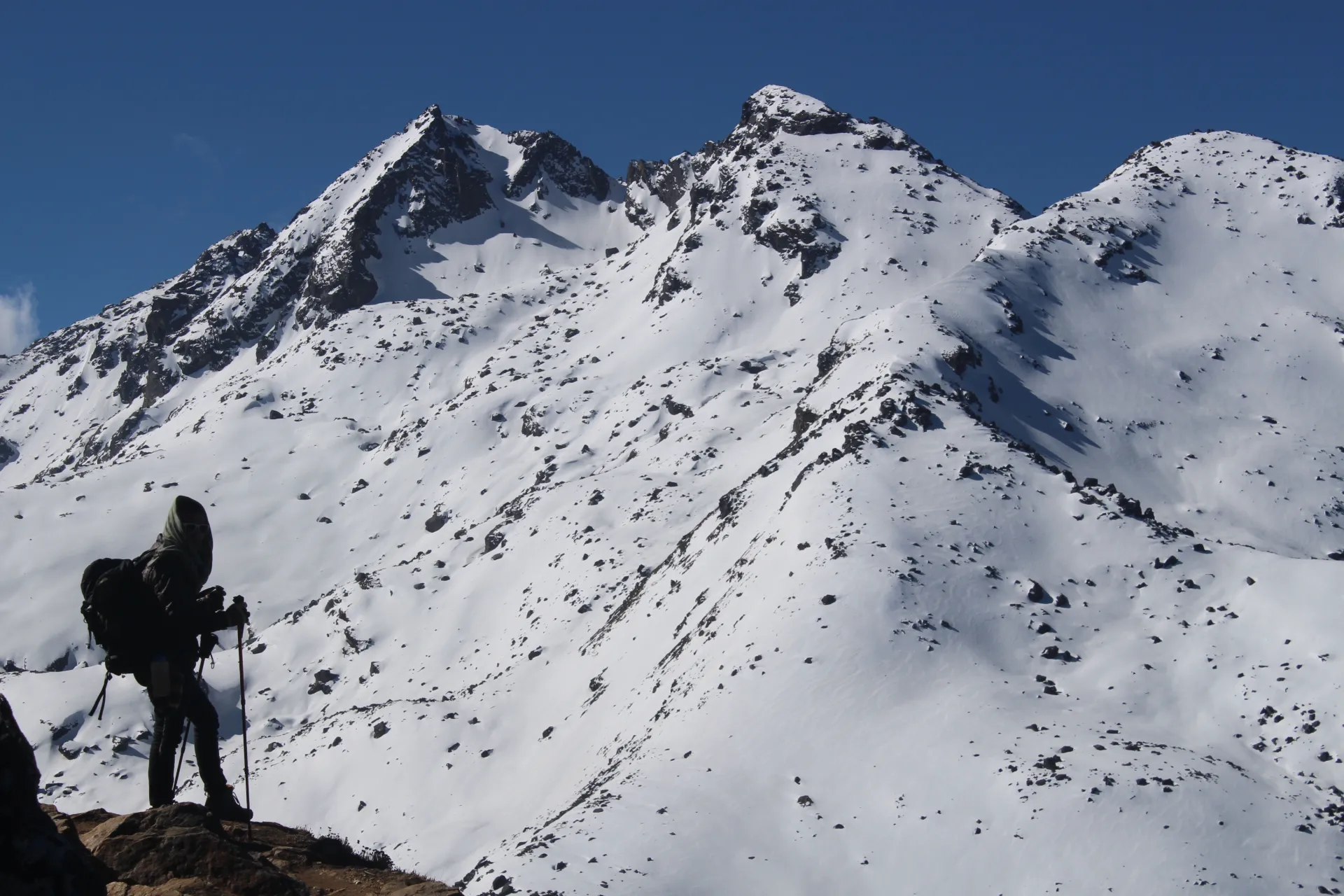
Turn Your Himalayan Dream Into Reality
From the historic, temple-lined lanes of Kathmandu to the shiny, peak-reflecting waters of Pokhara, Nepal offers an extraordinary travel involvement right in our South Asian patio. Attempting to arrange neighborhood inns, residential transportation, passage licenses, and dependable guides on your claim can rapidly turn an unwinding excursion into a calculated headache.
Let Naria Holidays take the stretch out of your arranging. Your devoted group specializes in creating consistent, dependable, and profoundly improving travel encounters. Heck out our completely overseen Enterprise Nepal Visit Bundle from Bangladesh to see our expertly curated itinerary. For upgraded estimating, custom bunch schedules, or visa documentation help, if you do not mind interface with our travel specialists through our official contact channels. Let us handle the points of interest whereas you appreciate the new mountain discussion!
Comments
You must be logged in to leave a comment.
Sign In to leave a comment